The Shot List: How I Plan a 3-Property Hotel Shoot in Wine Country
Three properties. Four days. One valley where the light changes faster than a sommelier can pour a flight. When a hospitality group brought me to Healdsburg, California, to shoot three of their properties back to back, the work started weeks before I ever unpacked a lens. After 15 years in Fortune 100 marketing, I have learned one thing that separates content that sits in a folder from content that books rooms: the plan is the shoot. Here is how I build it.
Reading the Shot List Like a Marketer
Every brief arrives with a shot list, and most creators read it as a checklist. I read it as a business document. Behind every line item is a revenue goal. A request for "pool, wide, daytime" is really a request for an image that sells a summer package. "Couple at the bar" is the hero for a date-night campaign. "Suite detail" is the asset that justifies a premium rate on the booking engine.
So before anything else, I sit down with the list and sort each shot into three buckets: hero campaign images, booking-engine and OTA inventory, and social-first vertical content. Then I ask the marketing team the question most people skip: where will this image live, and what should the viewer do after seeing it? The answers shape my lens choice, my framing, and how much negative space I leave for headlines. A shot list read this way stops being forty disconnected requests and becomes a story with a purpose.
Scouting the Light, Not Just the Location
Healdsburg sits in a pocket where the Russian River, Dry Creek, and Alexander valleys meet, and that geography matters. Morning fog rolls in off the river and burns off by mid-morning, giving you a soft, diffused glow that is unbelievably flattering for interiors and food. By late afternoon, the sun drops behind the western ridgeline and paints the vineyards amber.
I arrive a full day before the first call time and walk every property with a sun-tracking app and a notebook. I note which rooms face east, where the lobby windows catch direct afternoon light, which terraces fall into shadow early, and where the fog lingers longest. The town square plaza, the vineyard rows, and the hotel rooftops each get a time stamp next to them. A lobby that looks flat at noon can glow like a film set at 5:40 p.m. You only know that if you stand in it.
Building the Schedule Around Sunrise and Sunset
With three properties, the temptation is to shoot one per day. That is the fastest way to waste golden hour. Instead, I schedule by light quality, not by address. My days typically look like this:
Sunrise: exteriors and aerials, when the fog sits low in the vineyards and the hotel facades glow. Mid-morning: interiors and suites, using that soft, diffused window light. Midday: food, beverage, and spa, where I can control light with diffusion and bounce. Late afternoon: lobbies, bars, and lifestyle moments. Golden hour and blue hour: pool, terrace, and rooftop heroes, plus the dusk shot of the property lit from within.
Because the properties are minutes apart, I can catch sunrise at one, interiors at another, and sunset at the third. Every shot lands in its best possible light, and the client gets a portfolio that feels consistent across their entire collection.
Briefing Talent So Nothing Feels Staged
Lifestyle images live or die on the people in them. Whether I am working with professional models, hotel staff, or a couple I cast locally, I send a one-page brief 48 hours ahead with wardrobe guidance in the property's palette, a mood board, and the exact moments we will capture.
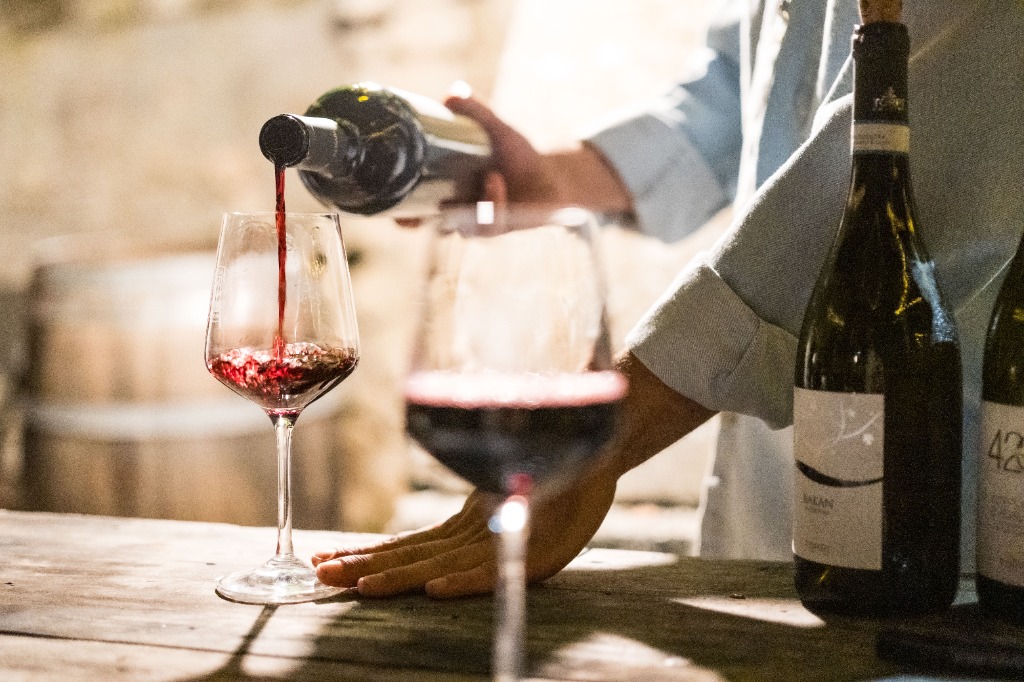
On set, I never say "pose." I give talent a task: pour the wine and tell her about your day, walk to the edge of the terrace and look for the hawk. Real actions create real expressions. I also brief the hotel team: housekeeping knows which rooms need to be perfect by 9 a.m., the bar team knows when we need the signature cocktail, and the front desk knows not to route guests through the lobby during our 20-minute window.
Delivering More Than Expected
This is where my marketing background earns its keep. The contract might call for 40 edited images. I deliver those, and I also shoot every hero in both horizontal and vertical crops, so the social team never has to awkwardly crop a landscape shot for Stories. I capture short motion clips of pours, curtains moving, and steam off a morning latte. I grab a handful of seasonal and editorial-style frames the client never asked for, because I know their PR team will need them in six months.
Final files arrive organized by property, by channel, and by campaign use, with a short usage guide. The goal is simple: when the marketing director opens that folder, they should feel like they just gained a content team, not a photographer.
The Takeaway
A great hotel shoot is not about luck or even gear. It is about understanding what the business needs, respecting the light, protecting the schedule, and leaving the client with more than they imagined. Healdsburg made it beautiful. The plan made it work.
Planning a multi-property shoot of your own? Let's talk about building a shot list that actually sells rooms.